Workshop automation for the way your shop runs.
GRIT connects machine access, dust collection, monitoring, and operating records through a local Hub. The architecture stays consistent, while the hardware and rules are selected for each machine, building, and operating environment.
Start with how the shop operates.
The right system depends on who uses the equipment, which conditions must be enforced, and what the site needs to record.
Manufacturing Operations
Connect machine-level runtime, dust collection, operator authorization, and maintenance records across the production floor.
Explore manufacturing →Industrial Facilities
Retrofit local controls and sensors around existing equipment, then connect the operating data to plant systems through Connected Plant.
Explore industrial solutions →Schools and CTE Labs
Connect completed training and user permissions to machine access. Coordinate dust collection and keep local records for instructors, program leaders, and administrators.
Explore education and CTE labs →Makerspaces and Fab Labs
Manage shared equipment used by members with different training, schedules, and access levels. Record who used a machine and whether their authorization was current.
Explore machine access control →See the system in real environments.
Review named installations and hear directly from the people who operate them.

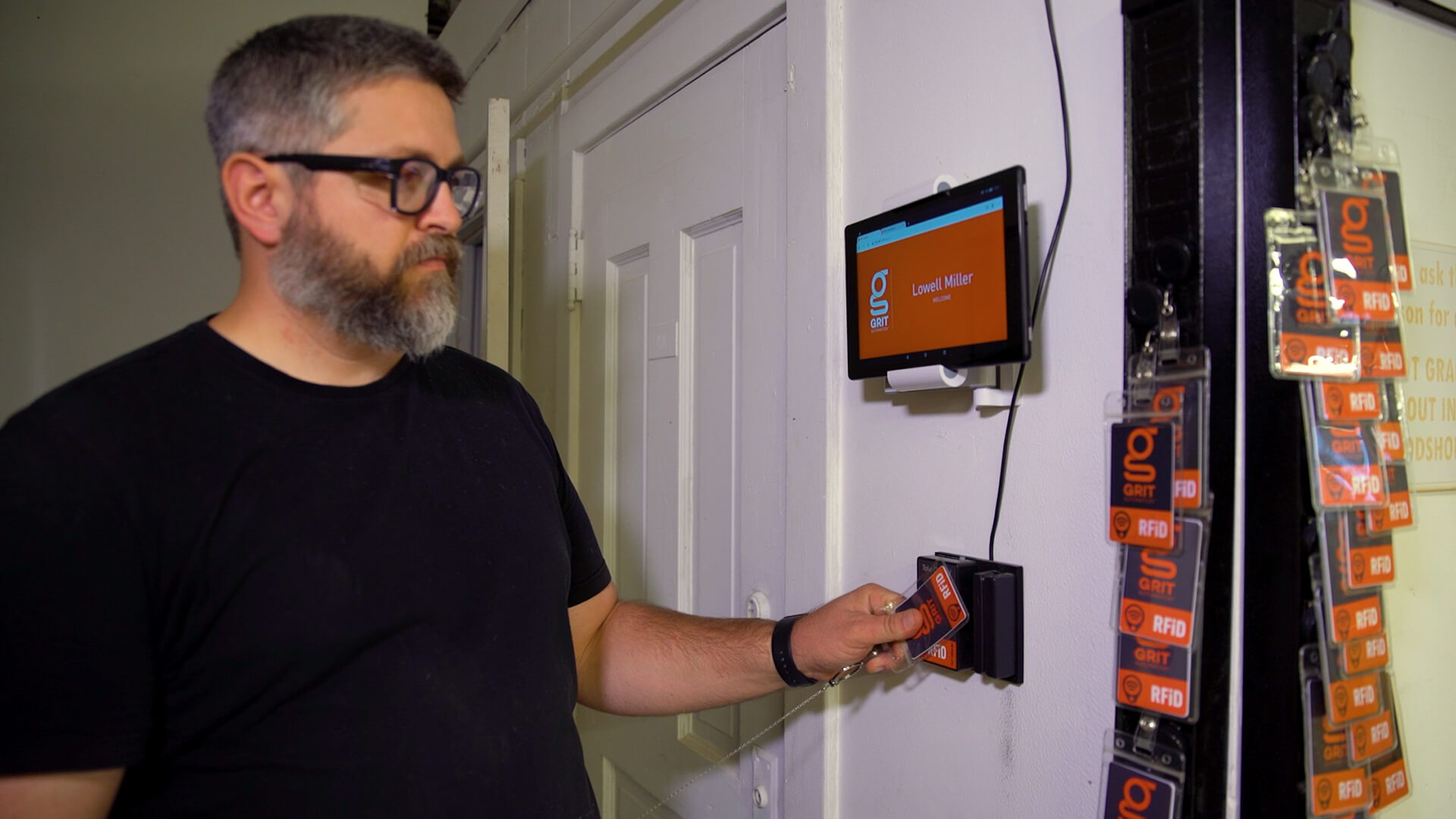
One local architecture, configured for the site.
Devices sense conditions, the on-site GRIT Hub applies configured rules, and compatible equipment responds. Operating data stays on the Hub. Connected Plant adds multi-site administration and integrations when included in the system quote.
The GRIT Hub coordinates compatible controls, readers, and sensors on site. Internet access is not required for normal local operation.
Voltage, phase, current, existing controls, network layout, and operating requirements determine which Hub, Trigger, Collector, Gate Control, reader, or sensor fits the site.
Plan Your System
Map the equipment before choosing hardware.
Work through the System Builder's seven configuration steps to describe the shop, equipment, and goals. Review the starting recommendation, then decide whether to request a quote.
Workshop automation for the way your shop runs.
GRIT connects machine access, dust collection, monitoring, and operating records through a local Hub. The architecture stays consistent, while the hardware and rules are selected for each machine, building, and operating environment.
Start with how the shop operates.
The right system depends on who uses the equipment, which conditions must be enforced, and what the site needs to record.
Manufacturing Operations
Connect machine-level runtime, dust collection, operator authorization, and maintenance records across the production floor.
Explore manufacturing →Industrial Facilities
Retrofit local controls and sensors around existing equipment, then connect the operating data to plant systems through Connected Plant.
Explore industrial solutions →Schools and CTE Labs
Connect completed training and user permissions to machine access. Coordinate dust collection and keep local records for instructors, program leaders, and administrators.
Explore education and CTE labs →Makerspaces and Fab Labs
Manage shared equipment used by members with different training, schedules, and access levels. Record who used a machine and whether their authorization was current.
Explore machine access control →See the system in real environments.
Review named installations and hear directly from the people who operate them.
One local architecture, configured for the site.
Devices sense conditions, the on-site GRIT Hub applies configured rules, and compatible equipment responds. Operating data stays on the Hub. Connected Plant adds multi-site administration and integrations when included in the system quote.
The GRIT Hub coordinates compatible controls, readers, and sensors on site. Internet access is not required for normal local operation.
Voltage, phase, current, existing controls, network layout, and operating requirements determine which Hub, Trigger, Collector, Gate Control, reader, or sensor fits the site.
Plan Your System
Map the equipment before choosing hardware.
Work through the System Builder's seven configuration steps to describe the shop, equipment, and goals. Review the starting recommendation, then decide whether to request a quote.